

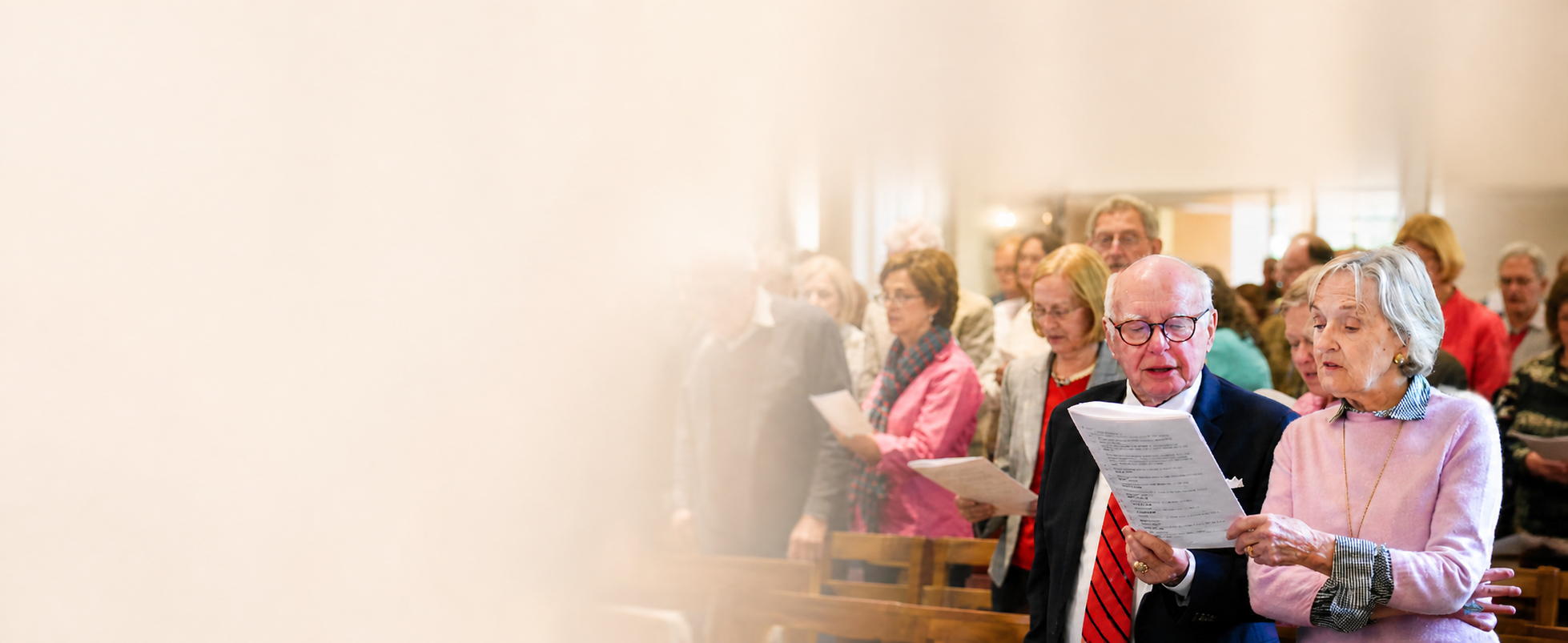
Let the prayers carry you.
At Saint Peter’s, worship is something we enter together: listening for God’s word, praying for the world, singing, keeping silence, sharing Holy Communion, and receiving grace.
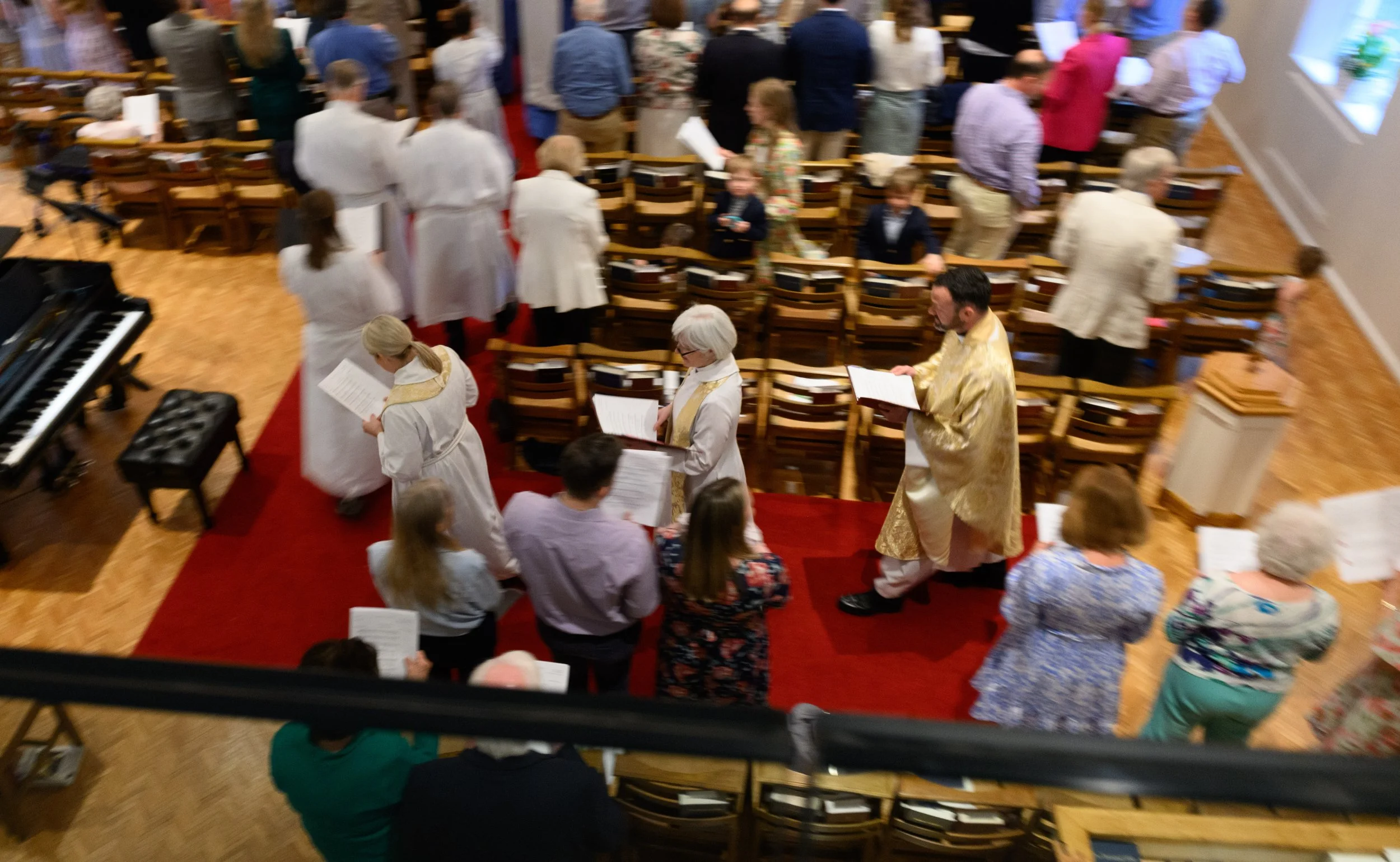
Worship is something we enter together.
At Saint Peter’s, worship is rooted in the Episcopal tradition: scripture, prayer, music, silence, movement, and Holy Communion. Some parts may feel familiar. Others may feel new. You do not need to know every response or understand every moment before you arrive.
We will help you follow along. You are welcome to participate as you feel comfortable: standing, sitting, kneeling, singing, listening, praying, receiving Communion, or simply receiving a blessing.
The Shape of Episcopal Worship
Most Sunday worship at Saint Peter’s follows the shape of Holy Eucharist. The service has a rhythm that gathers us, opens scripture, leads us in prayer, brings us to Christ’s table, and sends us back into the world.
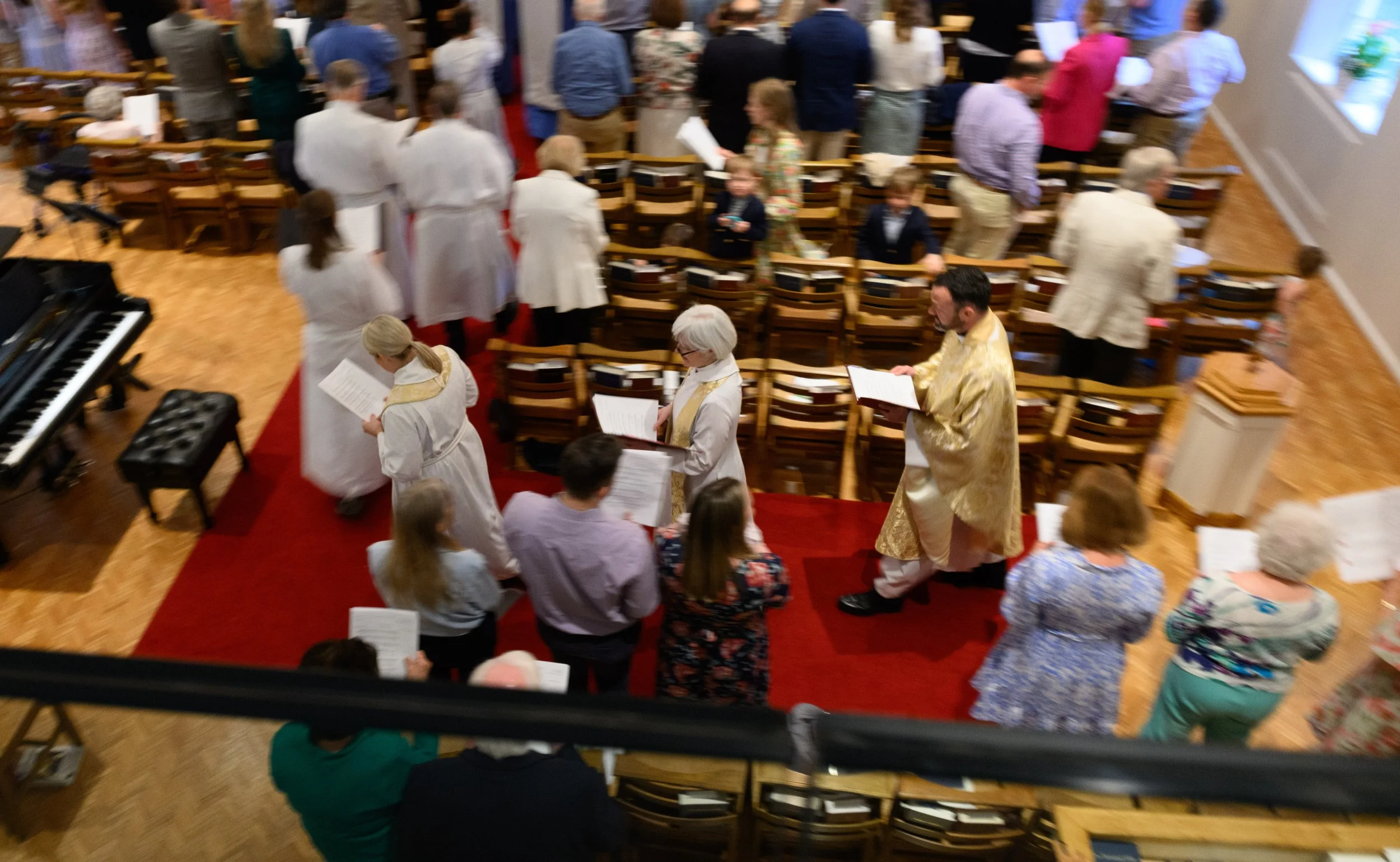
We gather
We come into God’s presence through music, prayer, silence, and welcome.
This first movement helps us arrive with whatever we are carrying and place our lives before God.
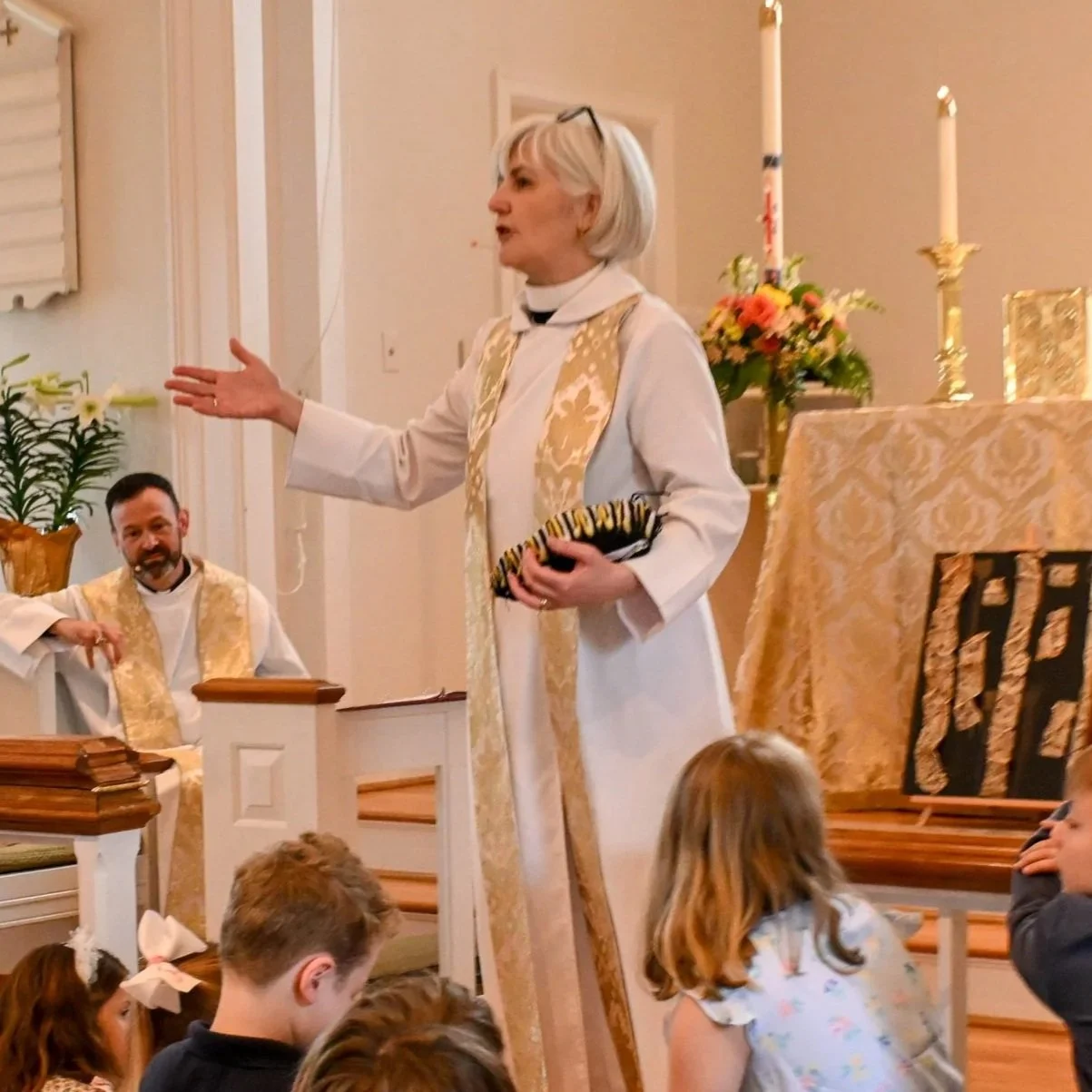
We listen
We hear readings from scripture and a sermon.
Through these ancient words, we listen for how God is speaking to the Church, the world, and our own lives.
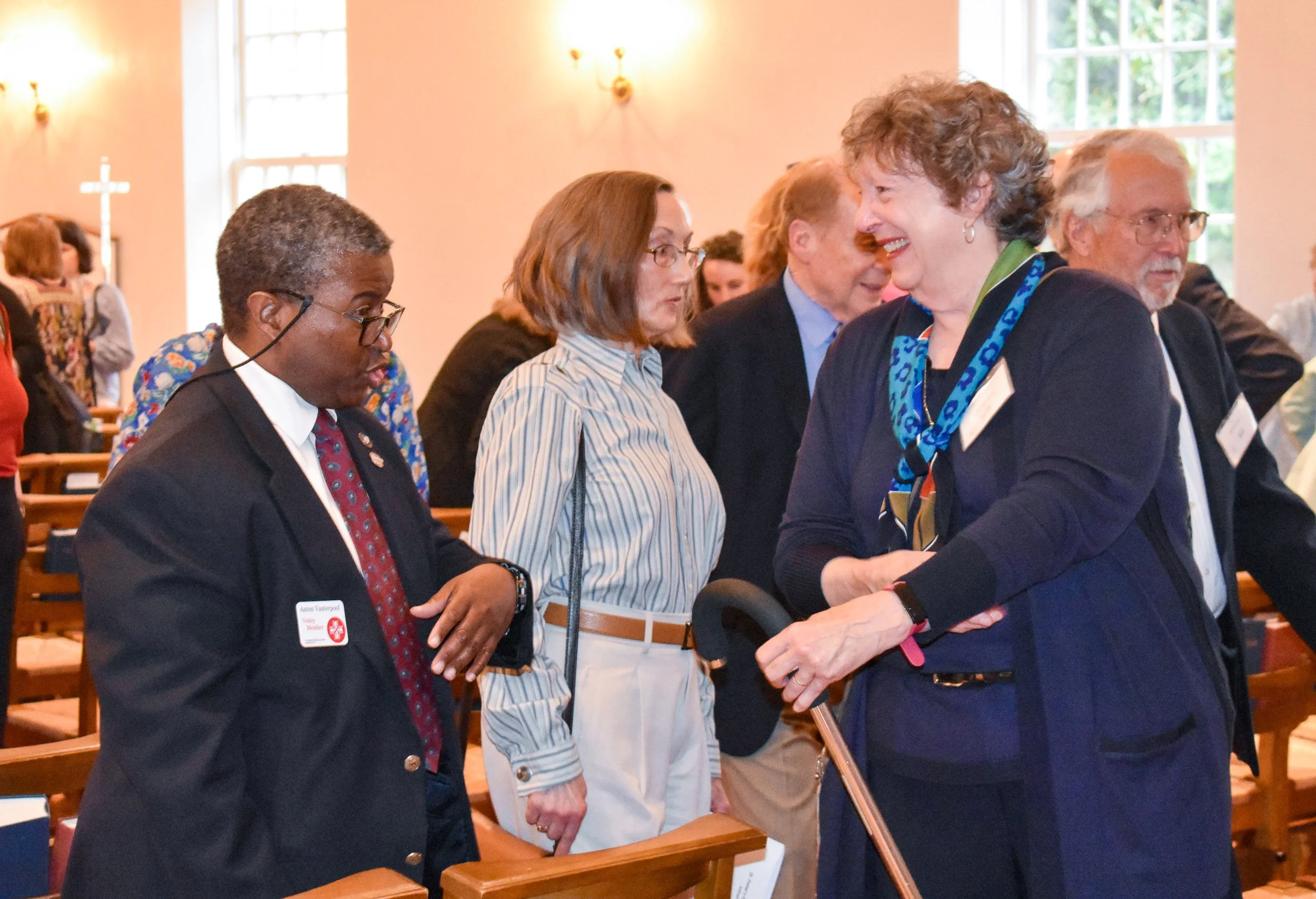
We respond in faith and prayer
We respond to God’s word with the creed, prayers, confession, and the peace.
Together, we pray for the world and remember that grace draws us toward reconciliation and belonging.
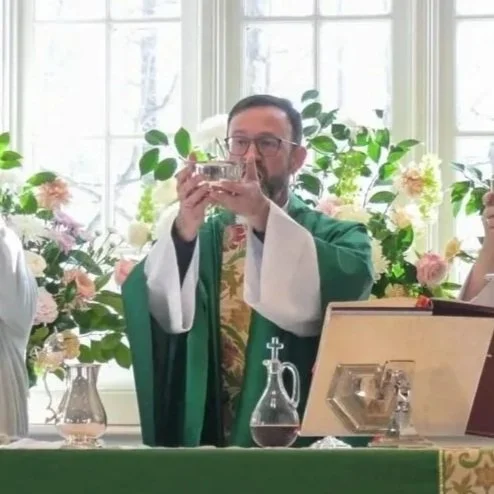
We come to the table
We give thanks, break bread, and share Holy Communion.
At Christ’s table, we receive bread and wine as gifts of grace and signs of Christ’s real presence with us.
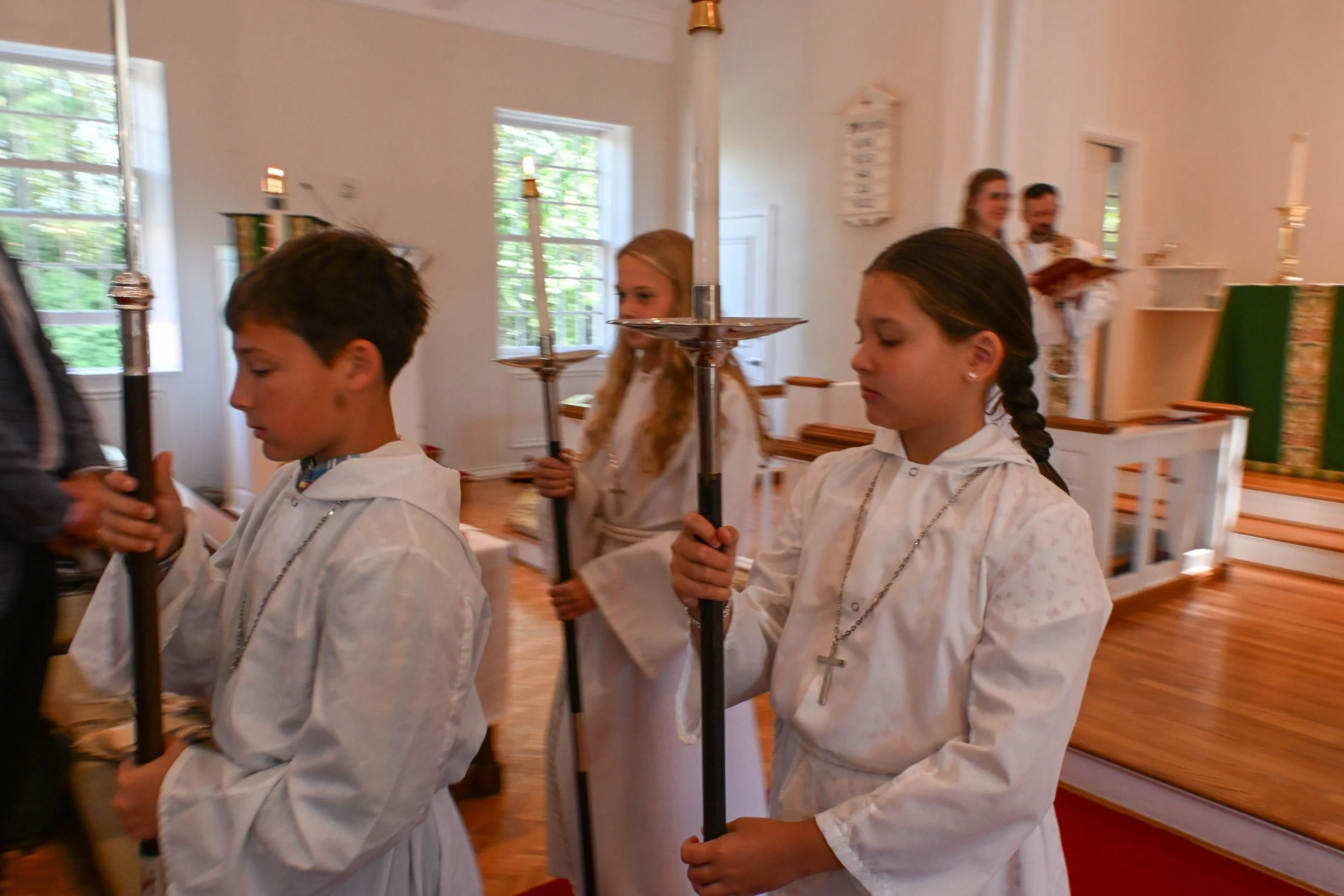
We are sent
The service ends with a blessing and dismissal.
Having been gathered and fed, we are sent back into daily life to love and serve in Christ’s name.
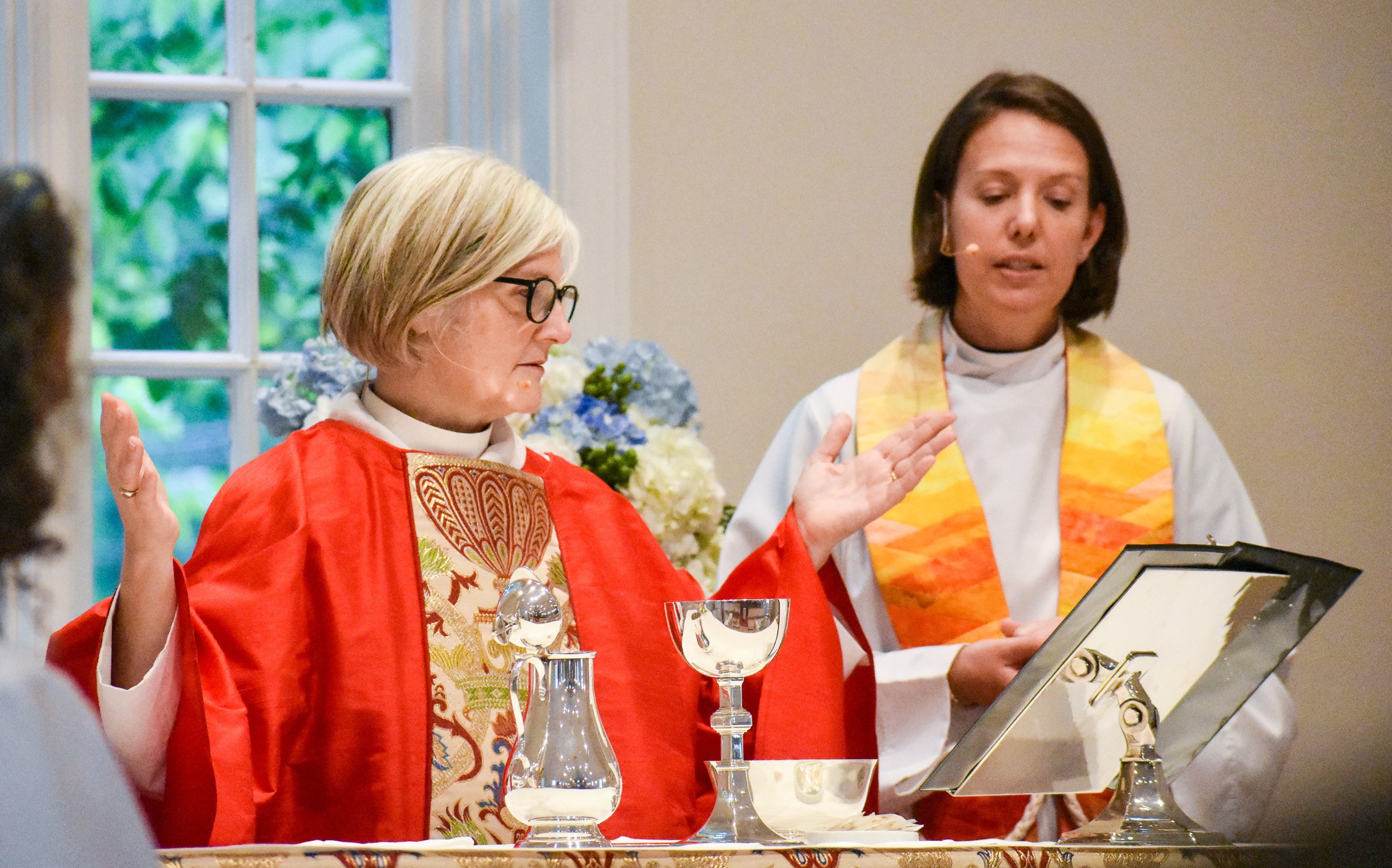
Holy Eucharist
Holy Eucharist is the principal form of Sunday worship in the Episcopal Church. In this service, we proclaim the word of God and celebrate Holy Communion. We hear the scriptures read and preached. We pray together. We affirm our faith. We gather around the table where the Eucharistic meal is prepared and shared.
We believe that Christ is truly present to us in the consecrated bread and wine. In worship, we bring our whole selves—mind, body, and spirit—to receive God’s blessing and to be a blessing in the world.
How to Participate
You do not need to know all the responses before you arrive. You do not need to understand every part of the service in order to belong here.
We stand, sit, kneel, sing, listen, and pray together. You are free to participate as you feel comfortable. We will help you follow along.
If you come forward at Communion time, you are welcome to receive the bread and wine, or simply cross your arms over your chest to receive a blessing instead.
Receive Communion or a blessing
At Communion time, ushers or worship leaders will help guide people forward.
You may receive the bread and wine, or only the bread. Communion is received with open hands. It is a posture of humility: we receive before we ask, before we understand everything, before we have perfect words.
You may also come forward for a blessing by crossing your arms over your chest.
If you prefer to remain seated during Communion, you are welcome to do that, too.

Children in Worship
Children are welcome in worship at Saint Peter’s.
On your way into the service, children can pick up a book, a quiet toy, or something to draw with. We are glad for the sounds and movement of children in worship; they are not interruptions to the life of the church, but part of it.
For parents who would welcome a little more flexibility, children ages 3 through grade 2 are invited to children’s chapel for part of the 10:15 a.m. service. On the first Sunday of the month, the 10:15 service includes a children’s homily and music especially loved by children.
-
The Book of Common Prayer shapes the worship of the Episcopal Church. It gives us words for praise and confession, thanksgiving and lament, ordinary Sundays and holy days, seasons of joy and seasons of grief.
There is a phrase in the church: praying shapes believing. The words we pray form the way we trust God, imagine grace, confess our need, receive mercy, and learn to love our neighbors.
At Saint Peter’s, the prayer book helps us worship together even when we arrive in different places spiritually. Some of us come full of faith. The prayers hold us together and give us words when our own words are hard to find.
-
You may hear people refer to Rite I and Rite II.
Both are forms of worship in the Book of Common Prayer. Rite I uses more traditional language, with words like thee and thou. Rite II uses more contemporary language. The structure of the liturgy is essentially the same, though the language and some options differ.
At Saint Peter’s, both forms help us pray. Rite I can feel quiet, spare, and deeply rooted. Rite II can feel more immediate and accessible.
Rite II also offers options for expansive language that speak of God outside of gender and use generative imagery for a God who is ultimately unknowable.
Each gives us a way to enter the same mystery: God’s grace made known in scripture, prayer, and sacrament.
-
Episcopal worship may feel different from other gatherings because it asks something different of us.
It slows us down. It gives us repeated words. It invites silence. It lets scripture speak before we rush to explain. It involves the body: standing, sitting, kneeling, singing, receiving. It places us into a sacred mystery of Christ.
That difference is part of the gift.
In worship, we practice listening, praying, confessing, and being forgiven. We practice sharing peace, being fed by grace, and being sent in love.
Over time, the liturgy works on us gently. Slowly, the words begin to live in us and through us.
Come and See
You do not need to be an Episcopalian to worship here. Come with your questions. Come with your hunger. Come with your hope. Come with your whole self.
God’s grace is already at work before you know exactly what to say.